


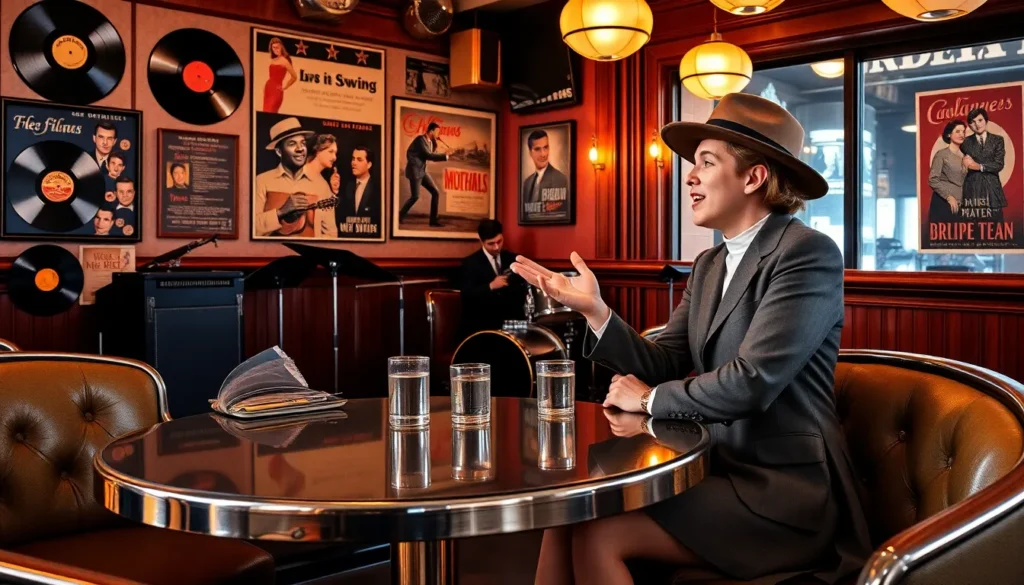
Imagine stepping into a time machine and landing in the 1940s. Jazz and swing music vibrate in the air while movie stars shine brighter than diamonds. Oh, and let’s not forget about the impact of World War II, just a small historical detail. The 1940s was a decade of dramatic shifts in pop culture, where everything from fashion to film reflected the tumult of the era. Buckle up: it’s time to traverse this fascinating decade.
Key Characteristics of 1940s Pop Culture
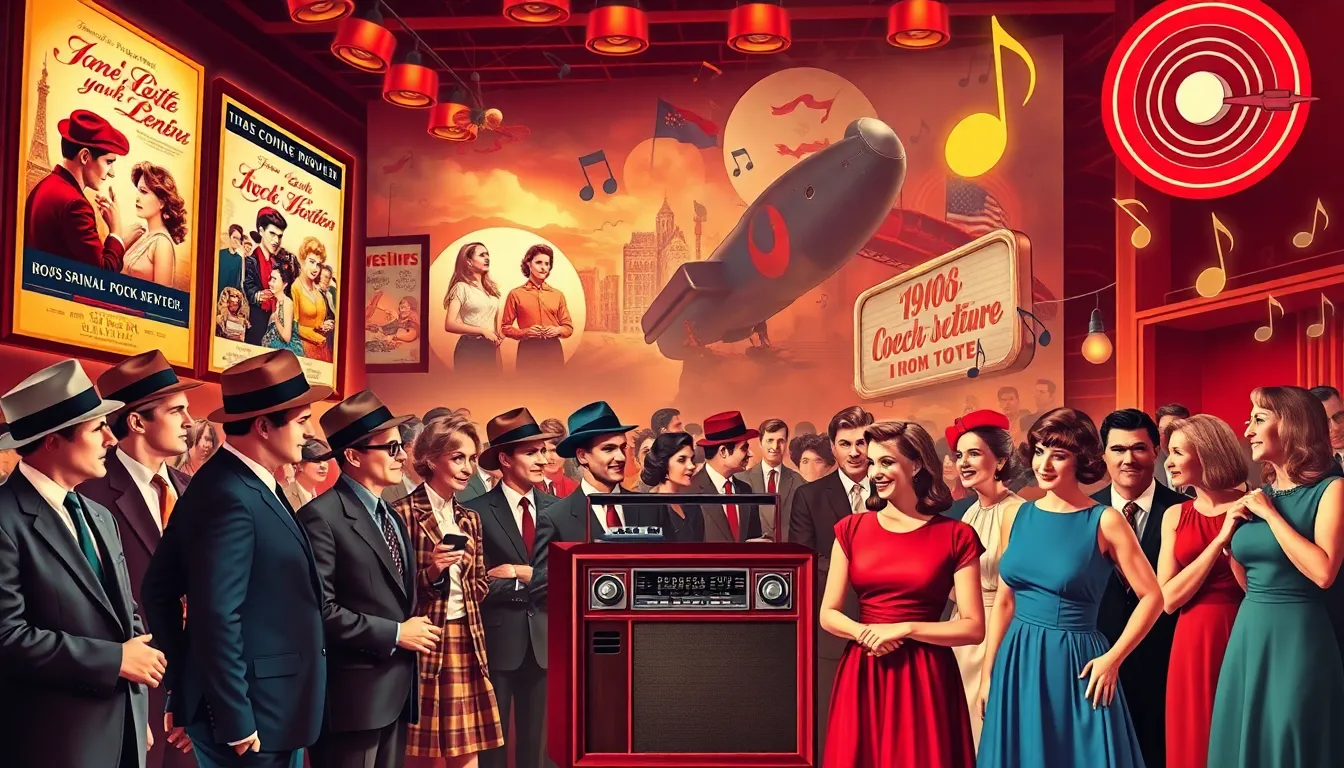
Pop culture in the 1940s was defined by resilience and creativity. After the Great Depression, people craved joy and escape. Movies, music, and even daily life were filled with innovation. The emergence of new art forms and the fusion of various styles created an explosive atmosphere of creativity. People flocked to theaters, where stories of love, war, and adventure captivated audiences, making films a primary form of entertainment.
One significant thread stitched through the fabric of this decade was the embrace of optimism, even though the shadows cast by global conflict. From the birth of rock ‘n’ roll to the afternoon radio dramas that punctuated household chores, the decade encouraged individuals to embrace hope and laughter. 1940s pop culture was all about redefining norms and pushing boundaries.
Influence of World War II on Popular Culture
World War II profoundly shaped 1940s pop culture, influencing everything from music to movies. During the war, entertainment served as a vital distraction. Films often portrayed bold heroes and the fight against tyranny, lifting American spirits. Iconic flicks such as “Casablanca” and “The Best Years of Our Lives” explored love amid conflict and the struggles of returning veterans, showcasing the emotional turmoil many faced.
Also, everything was permeated by wartime themes. Musicians wrote songs about hope, separation, and love lost, such as “I’ll Be Home for Christmas.” The war’s impact sent ripples through media, art, and daily life, carving out a cultural identity uniquely tied to the challenges of the time.
Iconic Movies and Film Stars of the 1940s
The silver screen dazzled with new talent in the 1940s. Hollywood’s golden age was in full swing, and star power commanded the box office. Actors like Humphrey Bogart, Bette Davis, and Ingrid Bergman not only defined the era’s aesthetic but also shaped narratives that defined American cinematic storytelling. Their performances in films like “The Maltese Falcon” and “Gilda” became cultural touchstones.
Audiences flocked to theaters to witness these larger-than-life characters grapple with issues that echoed in their own lives. Film noir captured the darker aspects of humanity, while musicals provided a much-needed escape, brightening gloomy days.
Music Trends and Notable Artists
Music thrived in the 1940s, with jazz and swing firmly taking center stage. But, it was also the decade when rhythm and blues started migrating towards the mainstream. Big band leaders like Duke Ellington and Glenn Miller became household names, filling dance halls across the nation. Their catchy tunes and exhilarating performances invited people to forget their worries, even if only for a while.
Simultaneously, the seeds of rock ‘n’ roll were being planted. Artists like Sister Rosetta Tharpe transformed the soundscape of the era, setting the stage for future musical revolutions. Classic songs that emerged during this period resonate even today, echoing the sentiments of love and dancing through the years.
The Rise of Radio and Early Television
The radio was an omnipresent fixture of homes in the 1940s, serving as the primary means of entertainment and news. Families gathered around their sets, entranced by soap operas, comedy shows, and news broadcasts. Programs like “The Shadow” and “Suspense” showcased the medium’s storytelling potential, drawing in millions of listeners.
But the 1940s also heralded the dawn of television, which started to gain traction toward the decade’s end. Early programming paved the way for the entertainment landscape we know now. The first televised soap operas and comedy shows captivated audiences, hinting at the future of the medium, a change that would revolutionize how stories reached everyday lives.
Fashion Trends and Social Changes
Fashion in the 1940s mirrored the pop culture and societal shifts of the time. Wartime rationing imposed limitations on materials, prompting creativity. Women began wearing practical clothing, including A-line dresses and wide-legged trousers, reflecting their evolving roles in the workforce. Figures like Christian Dior, with his “New Look,” brought femininity back into focus after years of practical wartime attire.
Socially, the decade marked the emergence of subcultures. While zoot suits symbolized rebellion among young men, the increase in women’s participation in all aspects of life emphasized gender shifts still shaping today’s discourse. Fashion became a subtle form of resistance, defiance, and self-expression.
Legacy of 1940s Pop Culture
The legacy of 1940s pop culture is vast and intricate, influencing future generations. The films, music, and fashions of this era still make their mark in modern storytelling and artistic expression. The rise of iconic cinema set the stage for blockbuster filmmaking. Musicians who emerged during this time laid the groundwork for genres that dominate today’s charts.
Also, cultural norms began to shift dramatically, setting societal frameworks that would take decades to fully evolve. Awareness around social issues flourished, eventually propelling movements that advocated change. The resilience exhibited during the decade served as a powerful reminder of what humanity can endure and achieve.