


Pop culture, a fascinating tapestry of trends, music, and memes, influences our lives in ways we often don’t even notice. Ever wonder why you can’t get that catchy tune out of your head or why your friend won’t stop quoting a certain show? Well, sit tight, because we’re about to embark on a playful yet insightful journey through the pulse of society. From the groovy vibes of the ’60s to today’s Instagram reels, the evolution of pop culture is as dynamic and intriguing as a plot twist in your favorite series. So grab your popcorn, and let’s jump into the world of pop culture topics that shape our realities.
The Evolution of Pop Culture Through the Decades
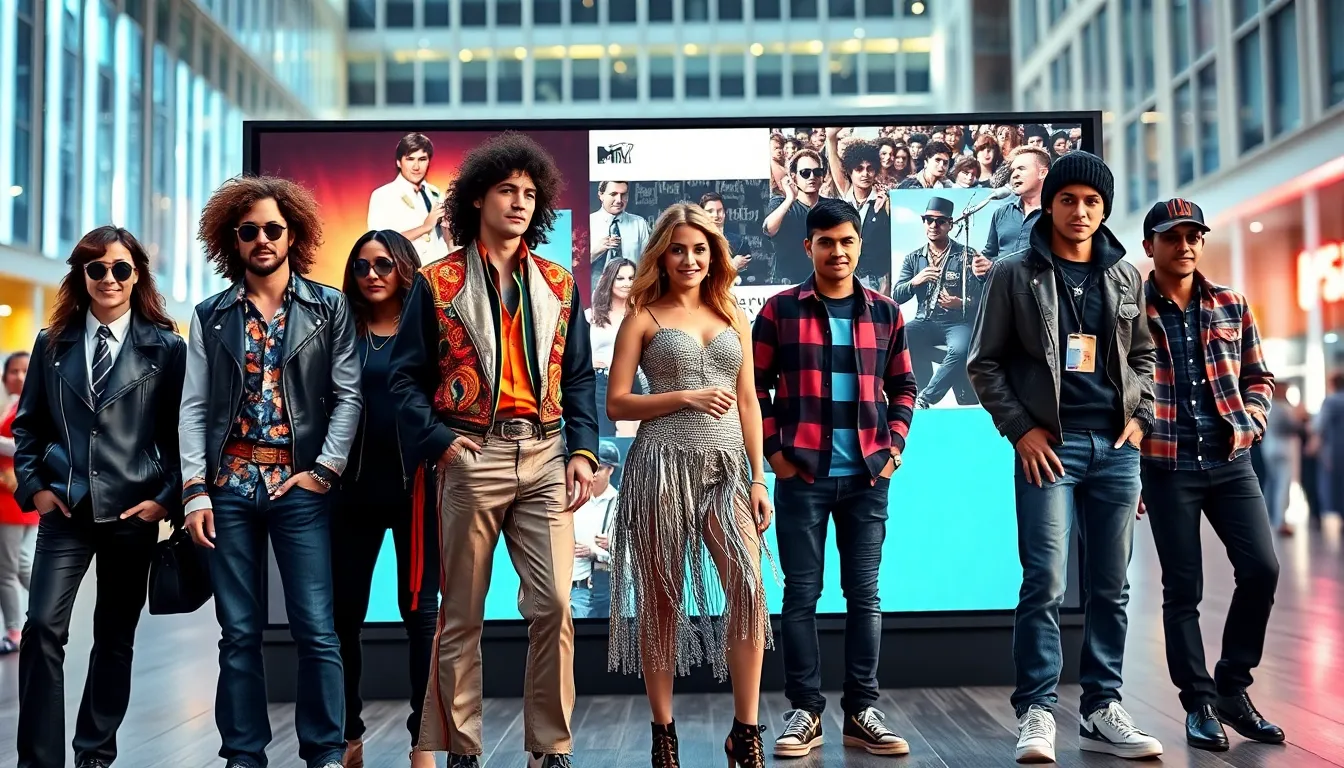
Pop culture has transformed through the ages, reflecting societal changes and technological advancements. In the 1950s, rock ‘n’ roll became the soundtrack of rebellion. Icons like Elvis Presley not only dominated the airwaves but stirred conversations about youth culture. As we shifted into the 60s and 70s, things got even groovier, think flower power and disco fever. Music festivals, like Woodstock in 1969, showcased a generation’s longing for peace and love amidst chaos.
The 1980s brought MTV and a brand-new way to consume music, with artists like Michael Jackson and Madonna leading the charge. The colorful exuberance of video culture changed how fans connected to their idols, making music videos a cultural phenomenon. Fast forward to the 90s and early 2000s, grunge music and hip-hop dominated, with voices like Kurt Cobain and Tupac Shakur echoing struggles of their respective generations.
Today, pop culture is a hybrid of these influences, rapidly evolving with each new tech innovation. Streaming platforms have made content universally accessible, allowing the boundary between different decades to blur, eventually redefining how we experience and relate to culture.
Major Influences on Contemporary Pop Culture
Understanding the forces behind contemporary pop culture reveals much about its current state. Music, fashion, and technology are at the forefront. Artist collaborations are no longer limited by genre: tracks combining rap and rock are chart-toppers, reflecting diverse musical tastes. Fashion icons like Rihanna and Kanye West have made waves not just in music but in style and social commentary. Their collaborations with brands push boundaries and redefine trends.
Also, technology plays a pivotal role. The rise of streaming services has not only changed how people consume media but also impacted how content is created. Original series like “Stranger Things” highlight the nostalgia for earlier pop cultural elements while simultaneously engaging younger audiences. These shifts foster conversations around inclusivity and social issues, steering pop culture into uncharted waters.
Besides, the entertainment industry’s focus on icons from diverse backgrounds has begun to rebuild narratives, amplifying voices previously marginalized.
Current Trends in Music and Entertainment
Today’s music scene offers a delightful array of choices. Hip-hop remains a dominant force, with artists like Drake and Cardi B pushing the envelope. But let’s not forget about the resurgence of indie and alternative music, with platforms like TikTok acting as launching pads for emerging talents. Viral challenges often highlight not just the music, but also the culture surrounding it.
In the film and television realm, streaming giants continue to lead the way. Series like “Squid Game” showcase global narratives and diverse casts, demonstrating how storytelling transcends cultural boundaries. Reality shows, often criticized, have cemented their place in pop culture too, shaping societal views on relationships and success.
Also, the rapid rise of myriads of podcasts reflects a shift in how audiences consume stories. Whether discussing crime, comedy, or true stories, podcasts engage listeners in a uniquely personal manner, further blending the lines between traditional and modern media.
Impact of Social Media on Pop Culture
Social media has arguably become the pulse of pop culture. Platforms like Instagram, Twitter, and TikTok transform how trends emerge, spread, and evolve. Memes, a cornerstone of internet culture, serve as rapid-fire commentary on societal events. They shape public discourse in ways that traditional media often can’t match.
Take the popularization of dance challenges on TikTok: songs ascend the charts purely based on their virality online. Artists have learned to navigate this landscape, crafting tunes designed for shareability. This shift underscores the power of digital engagement over traditional promotion methods.
Also, social media acts as a mirror, reflecting societal values and cultural conversation. The way celebrities interact with fans or engage in social issues directly influences public perception and can even sway political discourse.
The Role of Diversity and Representation in Pop Culture
Diversity and representation are more than just trending topics: they are essential components for authentic storytelling in pop culture. From major film studios to music labels, there is a growing call for more inclusive narratives. Audiences are gravitating towards content that resonates with their diverse experiences. Shows like “Black Panther” not only broke box office records, but they also highlighted the importance of representation in superhero narratives.
Also, the push for gender representation in storytelling, whether in front of the camera or behind the scenes, fosters a richer landscape for artistic expression. The rise of female directors and writers resonates with viewers, providing new perspectives that challenge traditional archetypes. Current fans demand stories that reflect reality, showcasing different voices and experiences.
Exploring Iconic Pop Culture Moments
Iconic moments in pop culture leave an indelible mark on society, defining cultural shifts and sparking conversations. Think back to the final episode of “Friends”: the show’s impact on relationships, humor, and lifestyle continues to resonate. Then there are also unforgettable Super Bowl halftime shows, like Beyoncé’s 2016 performance, which not only showcase talent but also engage with social issues.
Also, viral events, like the slap at the Oscars, become pop culture touchstones that people reference long after the moment has passed. These events capture collective attention, often shaping public discourse and influencing cultural narratives.
Future Predictions for Pop Culture
Looking ahead, pop culture will likely evolve even further, deeply intertwining with technology and societal values. Virtual reality experiences could reshape how stories are told, placing audiences directly in the narrative. Imagine a world where viewers not only watch a show but actively participate in its unfolding.
Content will continue to diversify, reflecting broader societal changes. With the rise of global streaming platforms, narratives from different cultures will surface more frequently, enriching the global narrative landscape. The quest for authenticity will persist, pushing creators to tell stories that resonate more deeply with diverse audiences.