


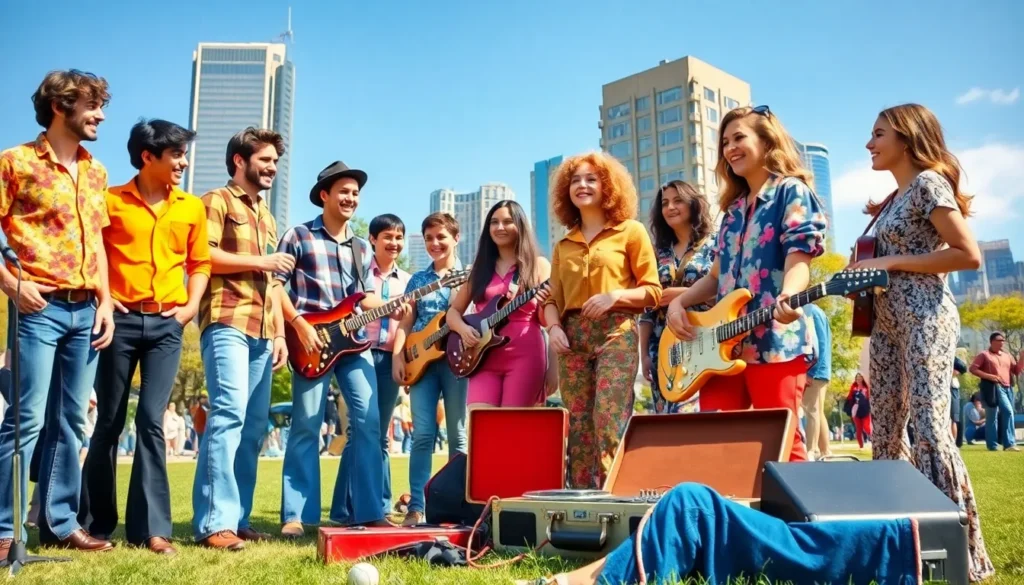
Imagine a world where music, fashion, and social movements collided to create a cultural explosion, welcome to the 1960s. This vibrant decade was marked by transformative events that shaped modern society. From flower children to revolutionary rock n’ roll, it seemed like everyone was searching for their own groove. Let’s take a witty yet insightful journey through the defining moments of this unforgettable era, where every corner held a new innovation.
The Defining Moments of the 1960s
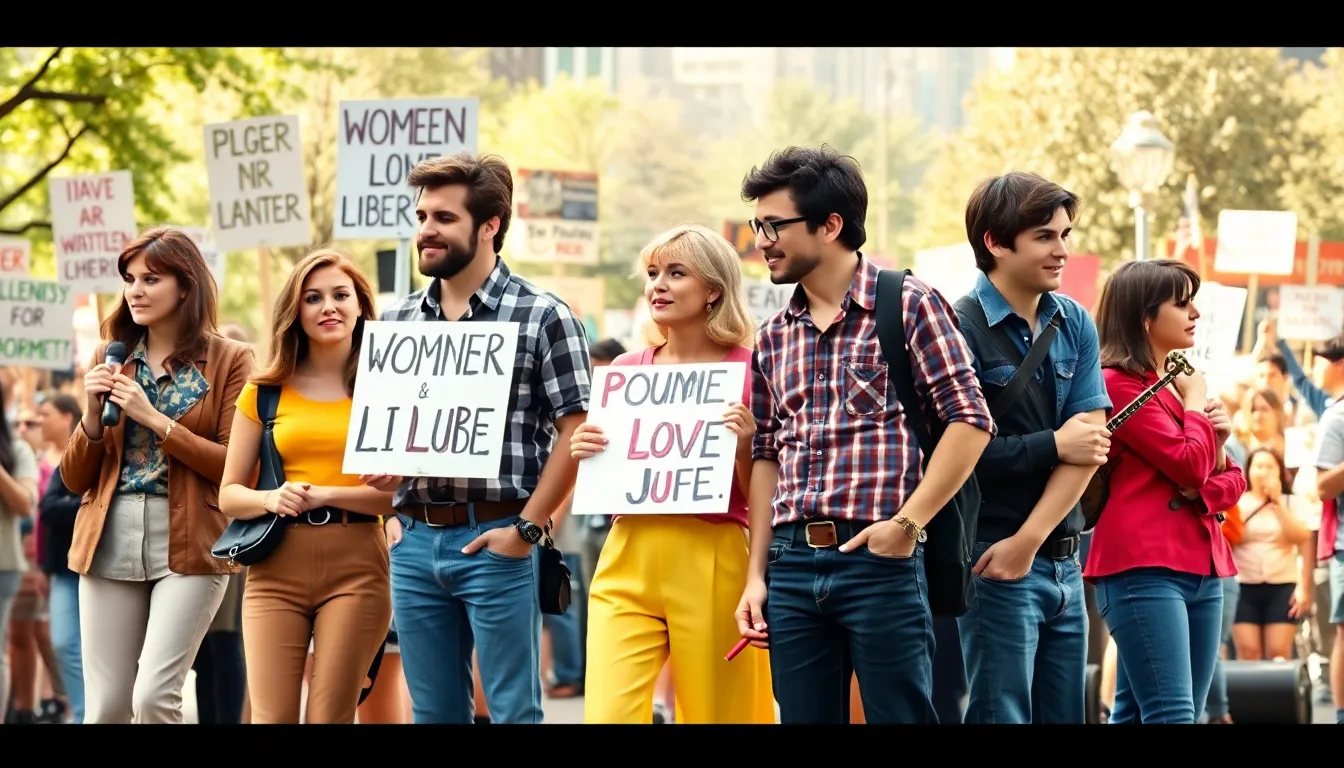
The 1960s witnessed a seismic shift in social dynamics, driven by various movements that advocated for change. The civil rights movement pushed boundaries and challenged the status quo, giving a voice to the voiceless. From the Montgomery Bus Boycott to Martin Luther King Jr.’s iconic “I Have a Dream” speech, society was told, quite emphatically, that change was not only necessary but inevitable.
Also, the women’s liberation movement gained momentum, advocating for equal rights and opportunities. Women demanded to be taken seriously in society, and they were not going to settle for less. Even the music reflected these sentiments. Protest songs echoed the call for equality and justice, making it clear that the cultural landscape was changing amidst the chaos of the times.
Music Revolution: The Soundtrack of a Generation
The 1960s gifted the world an extraordinary soundscape, and music became more than just entertainment: it was a lifeline. This period is often dubbed the ‘Music Revolution’ because of the fertile ground for creativity and expression.
The British Invasion: A Cultural Phenomenon
The British Invasion was not just a phrase but a full-blown phenomenon that swept across America. It kicked off with The Beatles, whose arrival in 1964 sent shockwaves through the music scene. These four lads from Liverpool didn’t just play music: they reinvigorated a generation’s hope, encouraging youth to embrace their individuality. Tracks like “I Want to Hold Your Hand” and “Hey Jude” were more than chart-toppers: they laid the groundwork for modern rock.
The Rise of Rock and Roll Icons
As if that wasn’t enough, rock and roll icons like Jimi Hendrix and Janis Joplin emerged, pushing musical boundaries to their limits. Their electrifying performances became legends, demonstrating that rock wasn’t just a genre – it was a way of life. Think about the Woodstock festival in 1969. It wasn’t a mere music event: it was a celebration of peace, love, and rebellious spirit.
Television’s Impact on Popular Culture
Television began cementing itself as a significant influence on American society during the 1960s. Suddenly, families would gather around the TV, making it the central piece of the household.
Iconic Shows That Shaped the Decade
Shows like “Star Trek” and “The Dick Van Dyke Show” not only entertained but also reflected and shaped social norms. “Star Trek” famously tackled issues like racism and social justice in ways that had never been seen on-screen before. Meanwhile, variety shows hosted by legends such as Ed Sullivan showcased emerging talent and united people from various backgrounds through laughter and music.
The Role of News Media in Shaping Public Opinion
Besides, the Vietnam War became a household conversation, largely due to the powerful images broadcast on evening news. This radical shift in news reporting transformed public perception, people were no longer passive consumers of information: they engaged and debated.
Fashion Trends and Cultural Norms
Fashion in the 1960s became a reflection of the cultural shift. Young people dared to express themselves in ways that their parents had never imagined.
The Influence of Youth Culture on Fashion
From bell-bottom jeans to tie-dye shirts, the youth culture redefined trends. Clothing became an expression of identity rather than mere fabric. People began exploring self-expression through vibrant colors and bold styles, which set the tone for the free-spirited mindset of the decade.
Counterculture Fashion Movements
The counterculture movement brought even more avant-garde trends like bohemian styles and psychedelic prints into the mainstream. Designers tapped into this new ethos, creating pieces that sent shockwaves across fashion capitals. Iconic figures like Twiggy and her pixie cut became symbols of liberation, leading the charge toward new beauty standards.
Cinema and the Changing Landscape of Film
When it came to cinema, the 1960s were nothing short of revolutionary. Film became a medium for social commentary and artistic expression.
Groundbreaking Films and Their Cultural Impact
Cinematic masterpieces like “Easy Rider” and “The Graduate” captured the essence of societal upheaval. They not only entertained but sparked discussions surrounding youth, rebellion, and identity. These films pushed boundaries and depicted the tumultuous life of a generation searching for meaning.
The Rise of the Blockbuster
Also, this decade gave birth to the concept of the blockbuster film. Movies like “Cleopatra” and “2001: A Space Odyssey” captivated audiences and led to larger-than-life productions. These films not only made waves at the box office but also redefined what it meant to be a cinematic event.