


Pop culture music isn’t just something to fill the silence: it’s the narrative of our collective experiences, hopes, and dreams. From infectious beats to thought-provoking lyrics, this genre continuously evolves, reflecting societal shifts and technological advances. Whether you sing along in your car or dance at festivals, the emotional undercurrent behind these tracks resonates far deeper than mere entertainment. So, why not jump into the vibrant world of pop culture music? Get ready to discover its journey, its icons, and how it fuels cultural movements while setting the stage for the future.
The Evolution of Pop Culture Music
Pop culture music has undergone a fascinating evolution, shaped by various elements that have defined musical trends over the decades. In its early days, pop was heavily influenced by genres like jazz and rock and roll. These styles laid the foundation for modern hits, combining rhythm and melody to create infectious tunes. As musical tastes expanded, so did the influence of social changes.
Key Influences on Pop Music
Artists began incorporating elements from various cultures, making pop music a rich tapestry of sounds. The Beatles, for example, introduced Western audiences to Indian music, opening doors to a fusion of styles that still exists today. Also, disco fever in the 70s brought dance into the mix, highlighting the importance of creating tracks meant for lively gatherings. Each era added its flavor, with hip-hop and electronic dance music making substantial impacts in the 90s and early 2000s.
The Role of Technology in Music Production
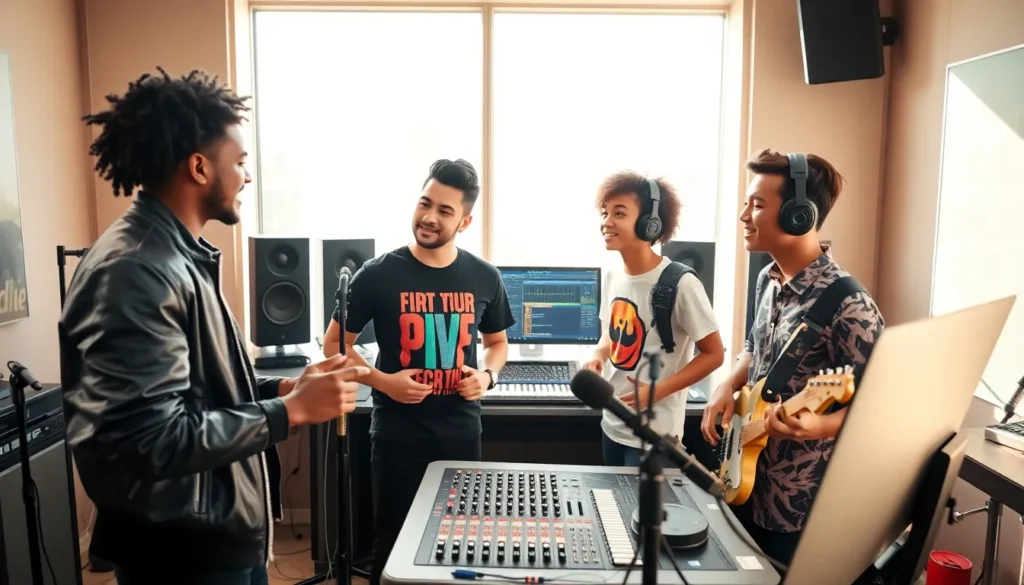
Technology has always played a crucial role in shaping pop music. The introduction of synthesizers and electronic instruments created new possibilities for sound. In recent years, digital audio workstations (DAWs) have democratized music production, allowing anyone with a computer to create and distribute their art. This shift has led to a remarkable increase in diverse voices and sounds that were previously underrepresented. With all these advancements, one could argue that technology doesn’t just aid but promotes innovation in pop culture music.
Iconic Artists Who Shaped Modern Pop
When discussing pop culture, certain artists undeniably stand out due to their influence on music and society. Their landmark contributions redefined genres and set new standards for artistry.
The Impact of Social Media on Music Trends
In today’s digital landscape, social media platforms are the new billboards. Artists like Ariana Grande and Billie Eilish leverage Instagram and TikTok not only for promotion but also as a means to connect with fans. By sharing snippets of new songs or behind-the-scenes moments, they create a buzz that traditional media often lacks. These interactions shape music trends almost instantaneously, leading to viral sensations that redefine what it means to be a pop star.
Exploring Genre Blurs in Contemporary Music
Modern pop music is marked by genre blurring, as artists incorporate varied musical styles into their work. This cross-pollination fosters creativity, allowing genres such as R&B, country, and electronic dance to mingle seamlessly. A perfect example is Lil Nas X, whose hit “Old Town Road” merged country and rap, proving that boundaries are meant to be crossed. This trend reflects society’s changing perceptions, showing that musical inclinations can be as fluid as they are diverse.
Cultural Movements Reflected in Pop Music
Pop music has always served as a mirror for societal values and changes. As music evolves, it often captures the zeitgeist, making it an integral part of cultural movements.
How Music Serves as a Voice for Social Change
Many artists use their platforms to address pressing social issues. Songs by artists like Kendrick Lamar and Taylor Swift tackle subjects ranging from racism to LGBTQ+ rights. These narratives resonate deeply with listeners, often sparking discussions and inspiring movements. For instance, this connection between music and social activism was particularly evident during the Black Lives Matter movement, when artists released songs that encapsulated the collective frustration and demand for justice. Music becomes not just entertainment but a catalyst for change, showing how influential pop culture can be.
The Globalization of Pop Culture Music
Over the past few decades, pop music has transcended borders, becoming a global phenomenon. The accessibility of music through streaming platforms has played a pivotal role in this expansion.
Merging Local Sounds with Global Trends
Artists from various regions are increasingly blending local sounds with global pop culture. Take the K-pop sensation BTS, who incorporates traditional Korean musical elements into their productions while addressing universal themes like love and self-acceptance. Their ability to connect with a broad audience shows how pop music can break cultural barriers while celebrating local heritage.
The Rise of International Superstars
As globalization influences music consumption, international superstars are emerging from every corner of the globe. Artists such as Bad Bunny and Shakira have gained massive followings, proving that a catchy tune transcends language. This newfound prominence of diverse artists enriches the pop landscape, capturing unique perspectives and stories that resonate on a global scale. The world has become a stage, and pop music is the language everyone speaks.
Future Trends in Pop Culture Music
Looking ahead, the landscape of pop culture music is ripe for innovation. Emerging artists and evolving technologies will shape its future in unpredictable yet exciting ways.
Emerging Artists to Watch
Several fresh faces are on the verge of breaking through, each bringing a unique sound that could redefine pop music. Artists like Olivia Rodrigo and Doja Cat are already fan favorites, showing their dynamic range while capturing themes that resonate with younger audiences. Their innovation coupled with relatable storytelling positions them as potential leaders in the industry.
Predictions for the Next Decade
As we move into the next decade, trends like the incorporation of virtual reality concerts and AI-created music are likely to dominate. Imagine attending a concert where your favorite artist performs in a virtual space, making it accessible for audiences worldwide. This technological shift could alter not just how music is produced but also how fans experience their favorite artists, leading to a more immersive relationship between artists and listeners.