


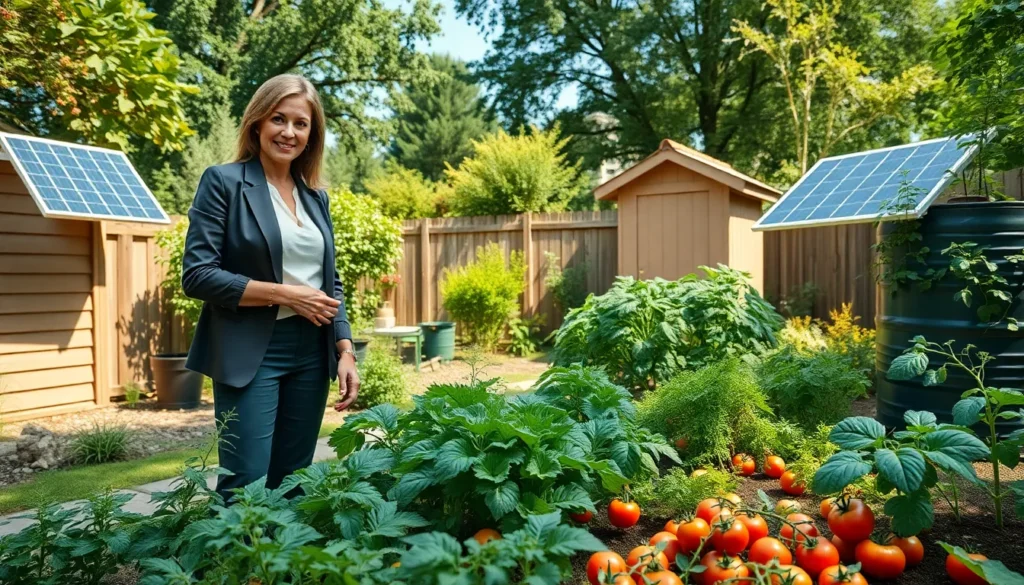
Imagine waking up every day knowing that your lifestyle not only reduces your carbon footprint but also skips the grocery store altogether. Sounds like a dream, doesn’t it? Welcome to self sustainable living, where you get to play hero in your own green adventure. From growing your own food to conserving energy like a pro, this article is here to make sure you’re not just a bystander in the fight against climate change. Grab your gardening gloves and let’s dig into the world of self-sustainability.
Understanding Self Sustainable Living
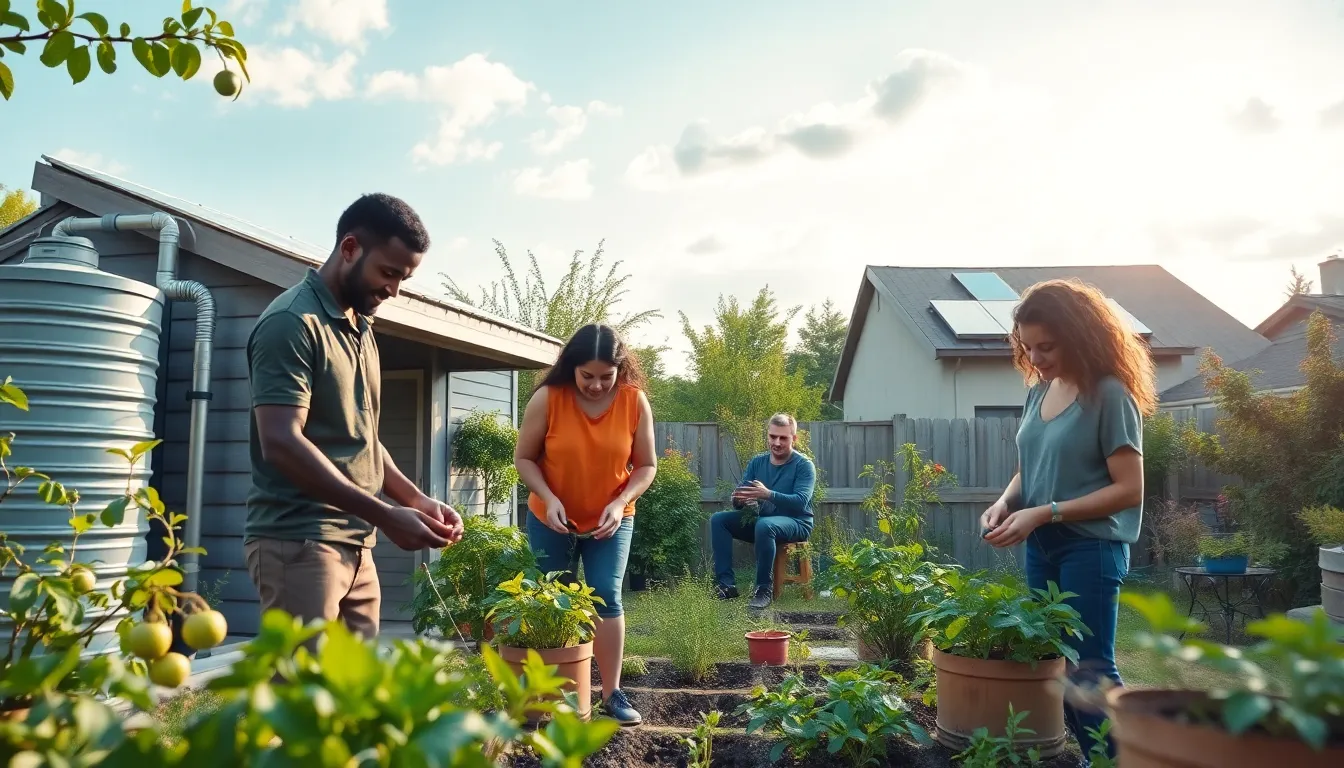
Self sustainable living is all about taking control of one’s resources to lead an eco-friendly life. At its core, it’s a philosophy that encourages people to use natural resources in a way that minimizes environmental impact. Imagine living in harmony with nature, relying on solar energy, rainwater harvesting, and even your own backyard garden. This is not just a trend: it’s a movement that aims to empower individuals and communities to live more independent and sustainable lives.
Embracing this lifestyle means understanding the interplay between humans and the environment. Those who embark on this journey recognize the need to reduce reliance on nonrenewable resources. The goal? Achieve a self-sufficient lifestyle that balances personal needs with environmental responsibilities.
Benefits of Self Sustainable Living
The perks of self sustainable living extend far beyond just a happier conscience. First and foremost, it enhances personal health. By growing organic fruits and vegetables, individuals can enjoy healthier, fresher produce without the chemicals found in conventional farming. This also leads to better mental health, as tending to a garden has been shown to relieve stress and improve overall well-being.
Financially, self sustainable living can be a game changer. Imagine slashing monthly grocery bills while simultaneously increasing your self-reliance. For many, this shift leads to significant savings over time. Not to mention, self sustainable practices often result in lower utility bills. Relying on solar panels or wind turbines can drastically reduce electricity costs.
Also, adopting these lifestyles fosters a sense of community. Neighbors often bond over shared resources, whether it’s vegetables from the garden or tips on energy-efficient practices. In today’s digital age, self sustainable living can even open the door to various online communities where enthusiasts exchange ideas and experiences.
Key Components of Self Sustainable Living
To truly embrace self sustainable living, one must consider several essential components.
Energy Solutions for Sustainable Living
Renewable energy sources are the backbone of any self sustainable home. Solar panels are a crowd favorite, capturing sunlight to generate electricity. Wind turbines can also be an excellent investment, especially in areas with ample windy days. Other solutions include geothermal heating and biogas systems, which offer sustainable alternatives to traditional energy sources.
Water Conservation Techniques
Water conservation is another vital piece of the puzzle. Techniques like rainwater harvesting can drastically reduce a household’s water usage. Collecting rainwater not only conserves resources but also lessens the burden on municipal water systems.
Also, employing greywater systems allows for the reuse of water from sinks and showers to irrigate gardens, effectively stretching every drop.
Food Production and Gardening
Food production is perhaps the most visible aspect of self sustainable living. Backyard gardens or community plots provide fresh produce and empower individuals to know exactly what they’re eating. Techniques such as permaculture and companion planting can maximize harvests while minimizing the need for synthetic fertilizers and pesticides.
Waste Management and Recycling Practices
Effective waste management is crucial to the self sustainable lifestyle. Embracing composting can drastically reduce the amount of organic waste sent to landfills while enriching garden soil. Composting is simple: it transforms food scraps and yard waste into nutrient-rich compost that nourishes plants.
Recycling goes hand-in-hand with composting. Setting up a home recycling system encourages individuals to separate plastics, glass, and paper. It’s an easy way to divert waste from landfills, and in many communities, it can even provide financial incentives.
Also, upcycling items, rather than throwing them away, showcases creativity. Instead of discarding old furniture, consider how it could be repurposed. This practice not only reduces waste but also fosters a sense of individuality in home decor.
Challenges and Solutions in Self Sustainable Living
Though self sustainable living comes with many benefits, it’s important to recognize the challenges that may arise. One of the biggest hurdles is the initial investment. Solar panels and extensive gardening setups can require a significant upfront cost. But, many find that these investments pay off in the long run, cutting down on expenses and overall carbon footprints. Governments and non-profits often provide grants or loans to help ease this burden.
Another challenge is the learning curve associated with new systems and processes. Growing food or installing energy systems can feel overwhelming at first. To combat this, many communities offer workshops and support groups designed to guide individuals through these new experiences. Online resources are also abundant, providing tutorials that can empower anyone with the desire to learn.
Time is also a factor. Building a sustainable lifestyle takes effort and dedication. Individuals may need to allocate time for gardening, composting, and other practices that contribute to sustainability. Yet, as these habits become routine, the time commitment often decreases.