


Imagine living in a space that not only feels good but also does good for the planet. Welcome to sustainable apartment living. It sounds like a trendy buzzword, doesn’t it? Yet, it’s a genuine lifestyle choice that’s catching on faster than your favorite streaming series. Whether you’re a seasoned green thumb or just someone looking to make more eco-friendly choices within their apartment, this guide will illuminate the path to a sustainable living experience. Think less guacamole stains on your conscience and more sunlight streaming through eco-conscious windows. Let’s jump into what this lifestyle is all about.
What Is Sustainable Apartment Living?
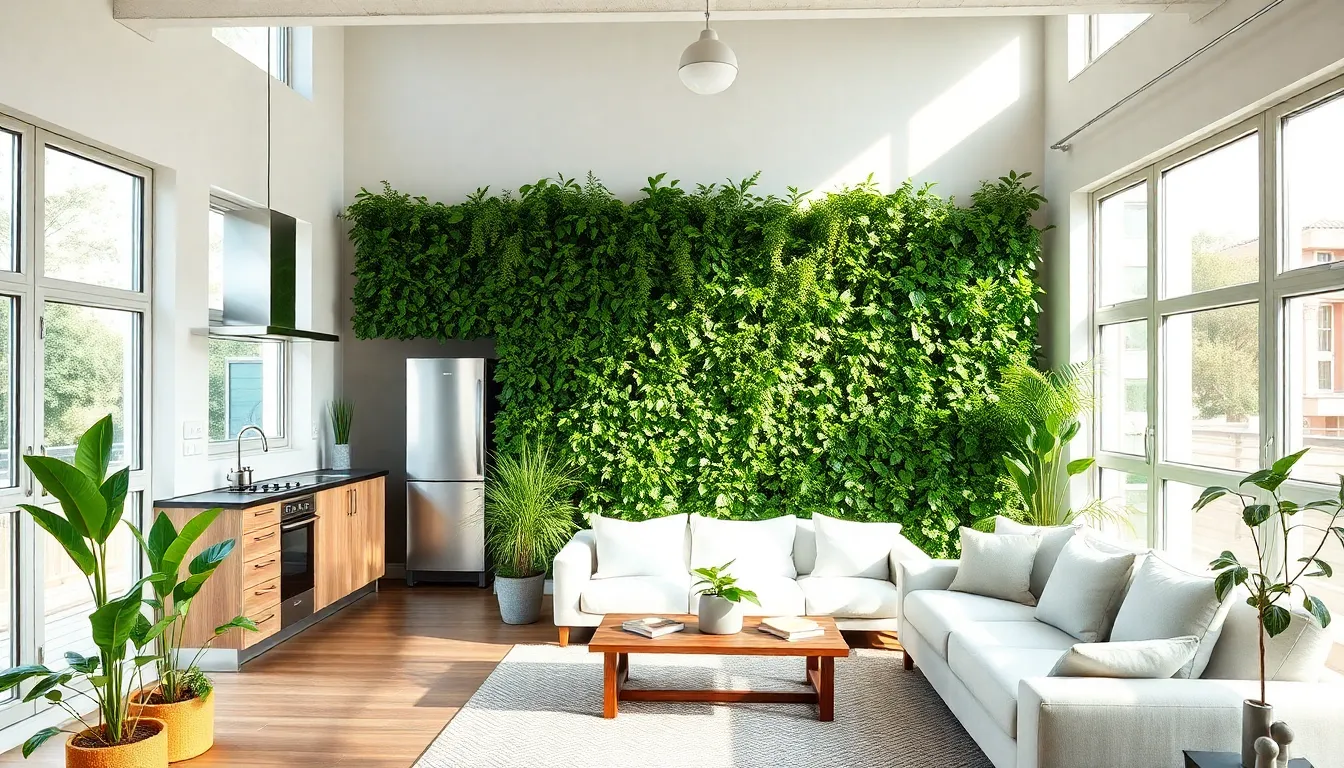
Sustainable apartment living refers to the thoughtful and intentional choice of creating a lifestyle that minimizes environmental impact while maximizing comfort and functionality within an apartment setting. It combines various elements such as energy efficiency, water conservation, use of sustainable materials, and a focus on reducing waste.
Envision a home where every decision contributes positively to the environment. Sustainable living is about making choices that support both individual health and the health of our planet. From the way energy is consumed to how materials are selected, sustainable living integrates concepts that benefit the ecology.
Also, this lifestyle directly involves utilizing living spaces equipped with smart technologies and sustainable resources, making it much easier for residents to engage in an eco-friendly way of life.
Benefits of Sustainable Apartment Living
The benefits of sustainable apartment living extend far beyond simply being eco-friendly. For starters, it can lead to significant cost savings. Residents who invest in energy-efficient appliances, for instance, often enjoy lower utility bills. There’s that comforting knowledge that one is saving money while saving the planet, creating a win-win situation.
Also, sustainable apartments often provide a healthier living environment. By opting for low-VOC (volatile organic compounds) paints and using non-toxic materials, individuals can avoid some of the hidden toxins common in traditional homes. Not only does this enhance indoor air quality, but it also contributes to a better overall well-being.
Finally, engaging in sustainable apartment living fosters a sense of community. When folks work together to support green initiatives within their buildings or neighborhoods, relationships strengthen. Everyone loves the feeling of contributing to something bigger than themselves.
Key Features of Sustainable Apartments
What sets sustainable apartments apart from the rest? Several key features define this modern living style. Energy-efficient appliances are a staple: think smart thermostats and LED lighting that reduce power consumption. Beyond functionality, they also add a modern touch.
Water conservation systems are another hallmark of sustainable living. Low-flow faucets and efficient irrigation systems significantly reduce water waste, proving that small changes can yield big results.
The use of sustainable materials in construction and decor further amplifies the green aspects of these homes. Bamboo flooring, recycled glass countertops, and recycled insulation not only lower environmental impact but also offer aesthetic appeal.
Don’t forget about communal spaces. Sustainable apartments often feature green roofs or shared gardens where residents can grow their own plants or engage in community events, promoting interaction and biodiversity.
How to Create a Sustainable Living Space
Creating a sustainable living space within an apartment may seem daunting, but it doesn’t require a total renovation. Start simple. One can swap out traditional light bulbs for energy-efficient LEDs. These bulbs last longer and use less electricity, reducing both your carbon footprint and electricity bill.
Next, consider incorporating houseplants into your decor. Not only do they purify the air, but they also add a touch of nature inside your apartment. Succulents, for example, require minimal water and thrive in various conditions, making them a practical choice.
Besides, explore the option of composting. Many modern apartments come equipped with compost bins, which can serve as a small but effective way to reduce waste. Mixing kitchen scraps with yard waste not only prevents landfill overflow but also yields nutrient-rich soil for your plants.
Finally, making conscious purchasing decisions plays a vital role. Opt for sustainable brands when shopping for furniture or essentials. Your choices can support eco-friendly businesses and stimulate a shift toward greener products.
Community and Sustainable Living
Community plays a pivotal role in sustainable apartment living. Establishing relationships with neighbors can create a supportive network, making it easier for everyone to adopt and maintain eco-friendly practices. Consider forming a sustainability group that meets regularly to discuss challenges and share successes.
Organizing community events such as swap meets, clean-up projects, or potlucks can not only bolster camaraderie but also encourage sustainable habits. If everyone contributes just a little, the collective impact can be profound.
In many cases, neighborhoods may establish communal gardens or green spaces where residents take turns tending to plants. This also enhances the visual appeal of the community and provides educational opportunities for families.
Challenges of Sustainable Apartment Living
While sustainable apartment living has numerous advantages, it also presents challenges. One major hurdle is often the upfront costs associated with making eco-friendly updates. Although energy-efficient appliances may be cost-effective in the long run, the initial investment can deter many renters or buyers.
Sometimes, the physical space limitations of apartments can also restrict green initiatives. Small balconies may not easily accommodate a garden, and limited storage can make it harder to carry out recycling or composting.
Another factor to consider is the need for collective participation. A single individual’s efforts can only go so far, if neighbors aren’t on board, it can become frustrating to maintain sustainable practices.