


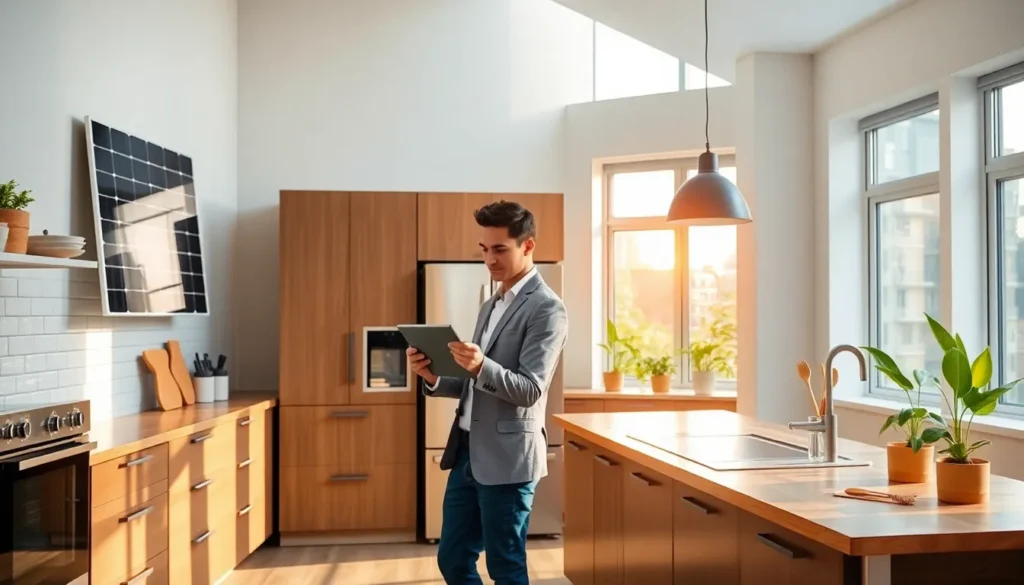
In a world grappling with climate change, resource depletion, and environmental degradation, one phrase has been on everyone’s lips, sustainable living. But what does it really mean? Think of it as living your best life while giving Mother Nature a high-five at the same time. With innovations sprouting up like wildflowers in spring, sustainability isn’t just for tree-huggers anymore. It’s a way of life, a mindset, and guess what? It’s also cost-effective. So, buckle up as we embark on a journey exploring the cutting-edge innovations that redefine what it means to live sustainably.
The Rise of Sustainable Living
Understanding Sustainable Living
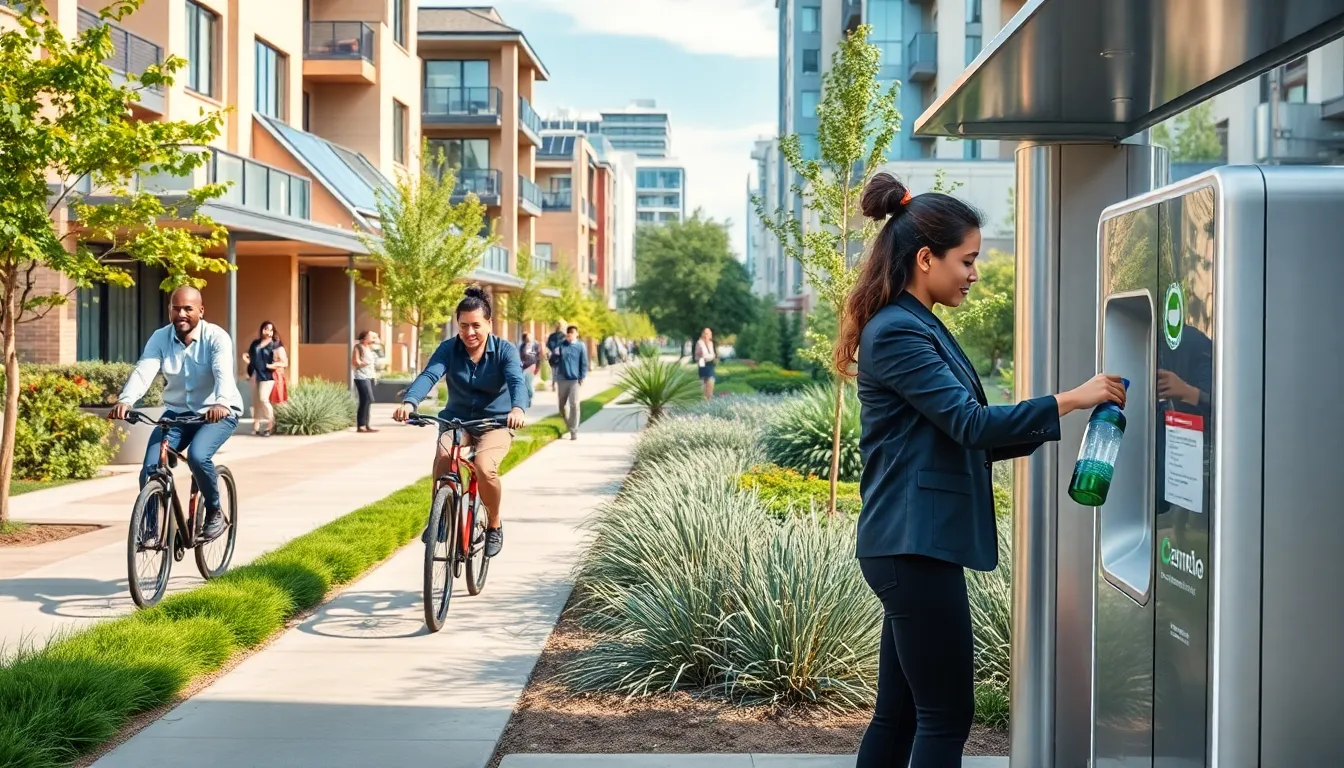
Sustainable living encompasses a holistic approach to our daily lives. It involves making choices that reduce our environmental footprint while promoting a healthier planet. Picture this: choosing to bike to work instead of driving, or sipping from a reusable water bottle instead of a plastic one. Each small action contributes to the larger goal of sustainability. People are beginning to recognize that their everyday decisions can either propel or hinder environmental progress.
The Importance of Sustainability Today
Today’s society faces unprecedented challenges, from climate change and plastic pollution to dwindling natural resources. The importance of sustainability cannot be overstated. It’s not just about saving the world: it’s about ensuring that future generations inherit a planet they can thrive on. Environmental awareness is growing, prompting individuals, companies, and governments to push for greener practices. As we become more insightful, the shift towards sustainable living becomes not only beneficial but essential.
Key Innovations Shaping Sustainable Living
Renewable Energy Solutions
Renewable energy is paving the way for sustainable living innovations. Solar panels and wind turbines are no longer just futuristic concepts: they’re actively integrated into homes and businesses. With declining costs of installation and advancements in energy storage technology, harnessing nature’s power has never been more accessible. Cities are even adopting solar streetlights, minimizing energy consumption while illuminating public spaces.
Smart Home Technologies
Smart home technologies make sustainability easier. Imagine adjusting your thermostat from your smartphone or having your lights turn off automatically when you leave a room. These innovations not only enhance convenience but significantly lower energy consumption. Smart meters, which track energy use in real-time, empower homeowners to make informed decisions that can lead to reduced bills and a lower carbon footprint.
Sustainable Transportation Advances
Sustainable transportation has witnessed a surge in innovations, with electric vehicles (EVs) leading the charge. EVs and hybrids are steadily becoming more mainstream, offering a cleaner alternative to traditional vehicles. Also, cities are investing in electric public transport systems and biking infrastructure, providing residents with eco-friendly commuting options that also promote healthier lifestyles.
Eco-Friendly Products and Materials
The market for eco-friendly products is booming, driven by consumer demand for sustainability. Businesses are shifting towards biodegradable materials, organic ingredients, and ethical sourcing practices. From shampoo bars to bamboo toothbrushes, consumers are now better equipped to make choices that don’t harm the planet. The rise of circular economy models means that waste isn’t just waste anymore: it can be transformed into valuable resources.
Challenges in Implementing Innovations
Economic and Social Barriers
Even though advancements, there are formidable challenges to overcome. Economic factors often dictate the pace at which sustainable innovations are adopted. Higher upfront costs for greener products or technologies can deter consumers. Also, income inequality may exacerbate access to these innovations, leaving marginalized communities at a disadvantage. Social norms can also stand in the way, as some individuals may resist change or feel overwhelmed by the sheer volume of information surrounding sustainability.
Technological Limitations
Technological limitations pose another obstacle. While innovations like solar power and electric vehicles are becoming widespread, regions with limited infrastructure may struggle to carry out these solutions effectively. Energy storage is another area needing advancement: ensuring that renewable energy can be stored efficiently for use during peak demand remains a technical challenge.
Future Outlook for Sustainable Innovations
Emerging Trends to Watch
As we gaze into the crystal ball of sustainable living, several emerging trends are worth noting. Biodegradable materials are likely to see broader applications, with industries racing to create alternatives to single-use plastics. Vertical farming is also set to gain traction, allowing urban areas to grow food sustainably and locally. Technological advancements will continue to make green energy solutions more efficient and affordable, inspiring further adoption.
The Role of Policy and Community Engagement
Policy and community engagement play pivotal roles in fostering a sustainable future. Local governments can incentivize sustainable practices through grants, tax credits, and investing in green infrastructure. Community initiatives that promote environmental awareness are critical as well, encouraging residents to embrace sustainable lifestyles. Collective action can create a ripple effect, making sustainability a community norm rather than a niche.